
If you notice a soft spot in the floor, a small worry can turn into an expensive repair quote. But a damp crawl space, a rotten joist and a sinking support do not all need the same work.
So crawl space beam or joist repairs range from $1,000 to $20,000 in APS Foundation Repair’s published guide. Its standard vapor barrier installation is $1,000 to $3,000. The first is structural work; the second controls ground moisture.
I will help you separate those costs, compare moisture treatments and read the scope behind homeowners’ bills. These are US contractor examples, checked October 17, 2026, rather than one price for every crawl space.
What Actually Needs Repairing?
Start with what the inspection found. Is water entering after rain? Are the wooden floor supports damaged? Or is the wood sound, with humid air and exposed soil underneath it?
APS Foundation Repair serves Alabama and publishes the following ranges in its July 2025 guide. The rows describe different services, so adding the whole table would not give you a useful estimate.
The lower-cost job may leave out something your house needs. For example, a sheet over the soil cannot carry the weight of a damaged floor, and a new support cannot stop a plumbing leak.
Sagging Floors, Joists and Support Jacks
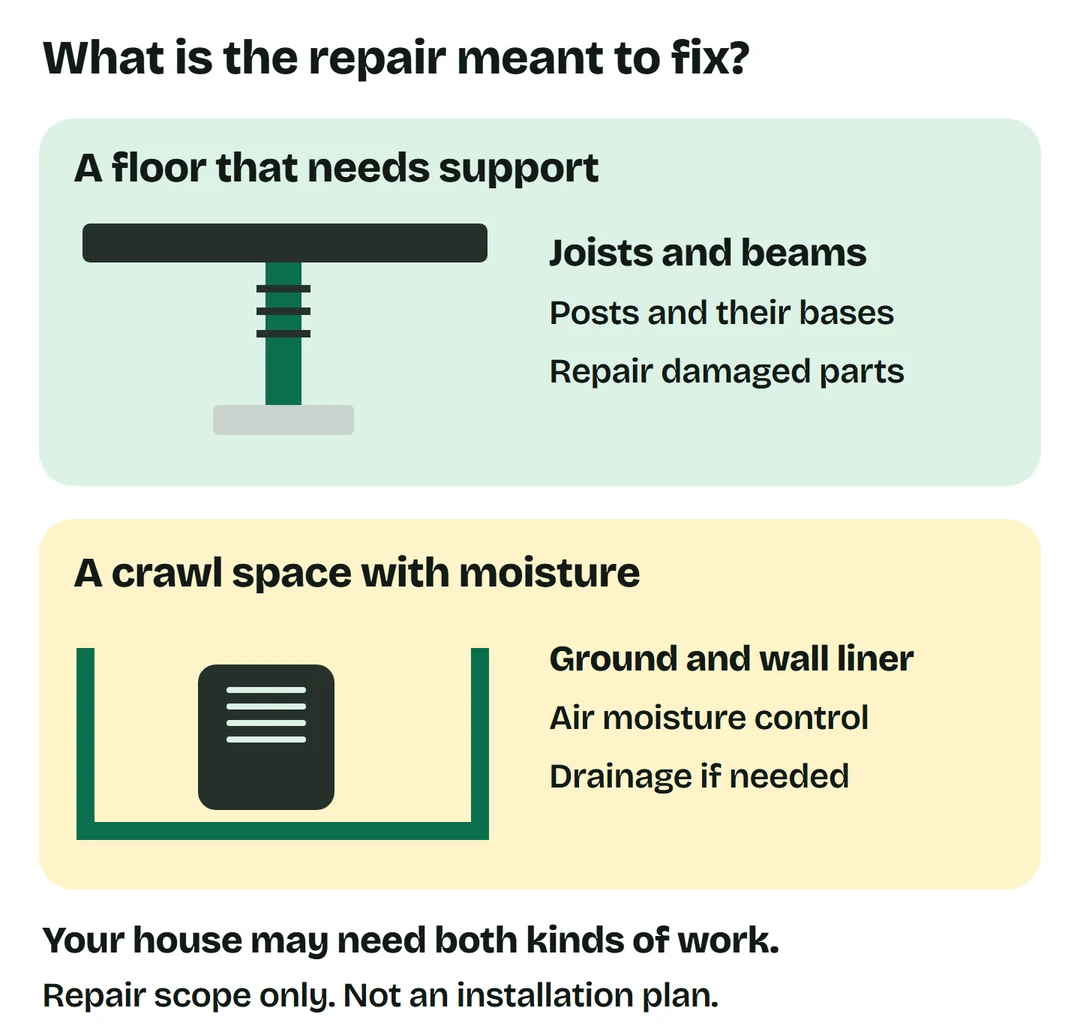
The joists hold up your floor. A main beam supports the joists, while posts or columns transfer that load to the ground. A weakness in any of those parts can change the repair.
In Acculevel’s illustrated repair example, the main beam was sound but its supporting columns were failing. The crew replaced those columns. They did not need to replace an undamaged beam.
That is why I would want photographs showing the damaged pieces before agreeing to a whole-floor repair.
A joist may be strengthened by fitting another member alongside it, often called sistering. Acculevel uses this method to avoid damaging the subfloor and finished floor above.
For jacks, the proposal should cover their bases as well as the steel supports. A post needs suitable support underneath it. A cheap loose jack is not the same purchase as an installed support system.
Leave lifting and structural changes to someone who can assess the building. If movement is continuing or the cause is disputed, an independent structural engineer can help define the work before you compare bids.
Water in the Crawl Space
A puddle after rain and moisture in the air call for different fixes. Acculevel’s repair guide separates drainage and sump pumps, which manage water, from dehumidifiers, which remove moisture from the air.
Trace where the water enters before choosing equipment. That might lead to a plumbing repair, work outside the house or drainage beneath it. A dehumidifier alone is not a repair for an active leak.
If the proposal includes a drain, ask where it collects water and where that water will go. The route, discharge connection and access for maintenance should be shown in the written work description.
A working pit with a failed pump is a smaller job than creating a new drainage system. Our sump pump replacement guide explains that distinction and battery backup options.
Vapor Barrier or Full Encapsulation?
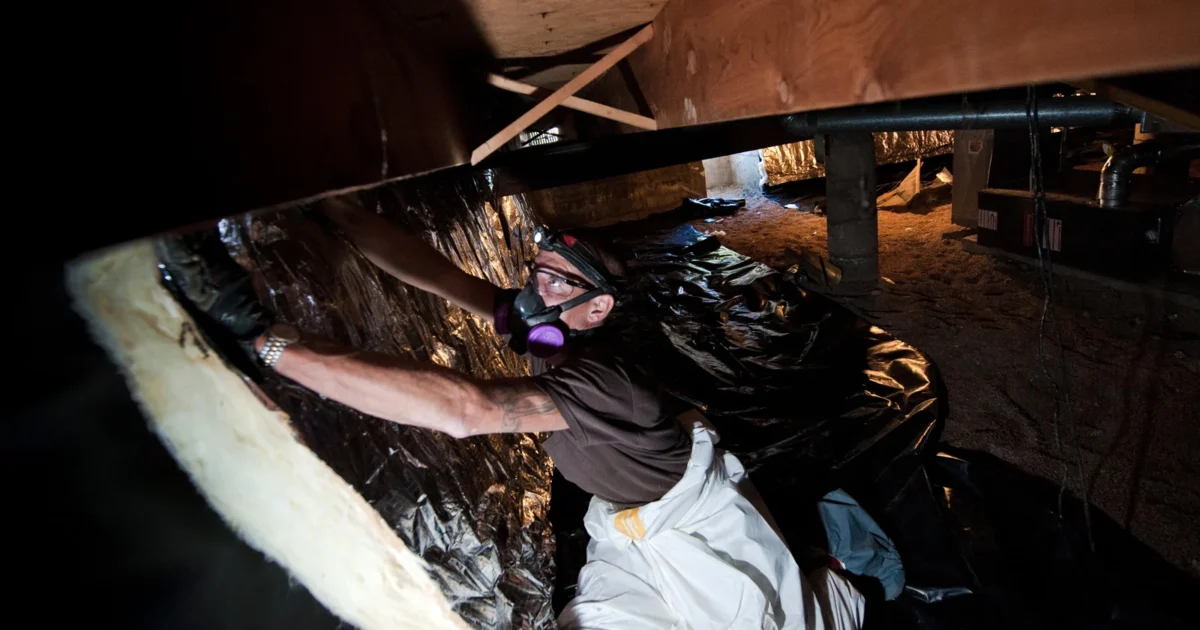
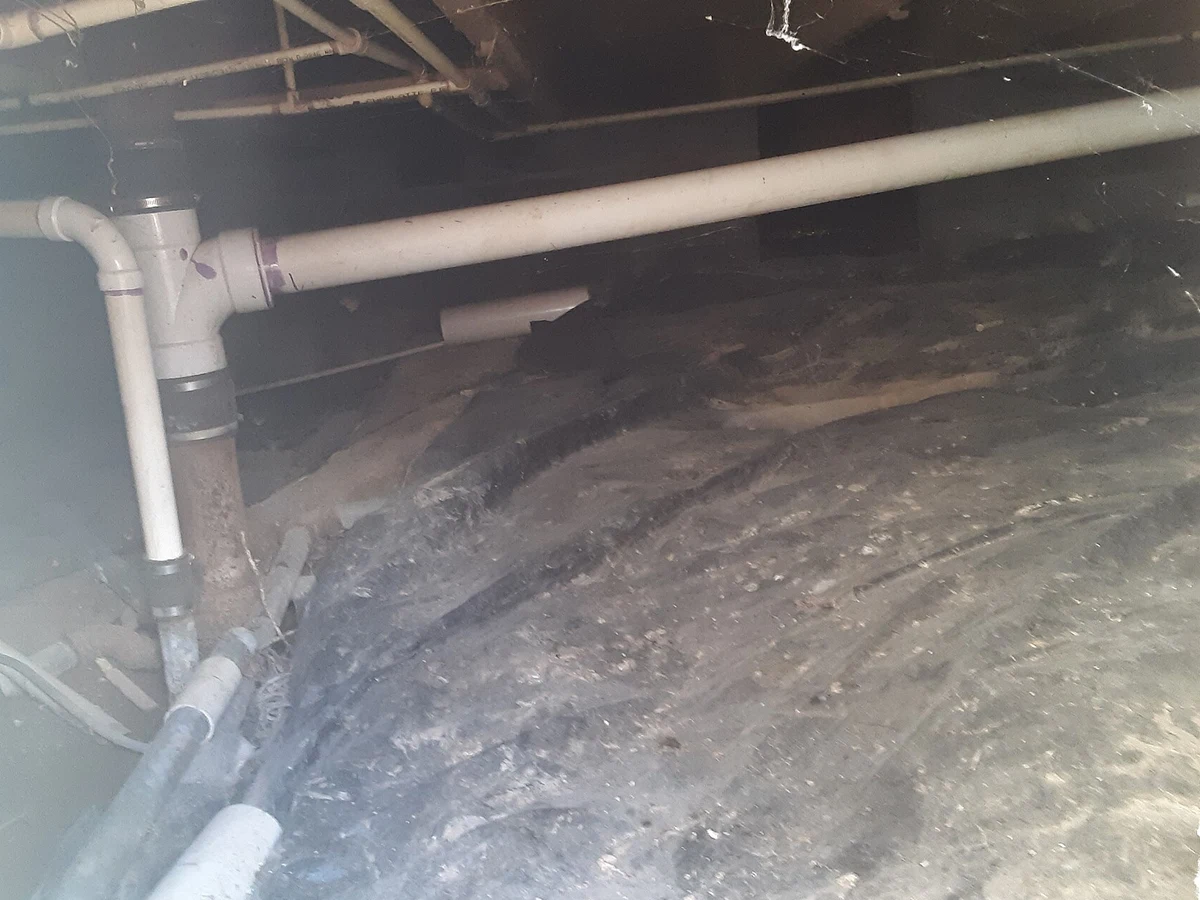
A basic ground cover and a sealed crawl space are different purchases. Acculevel describes its encapsulation liner running across the floor and up the walls, with sealed seams and connections around the support columns.
Its separate encapsulation article, published January 2020, gives installed dehumidifier prices of $2,175 to $2,650. That is an older published comparison, so confirm today’s equipment and installation quote.
On the same page, Acculevel assumes drainage is already present. A homeowner who still needs water removal cannot treat that article’s encapsulation package as the entire project.
When two proposals use the word encapsulation, compare the liner, wall coverage, sealed openings and included equipment. Then look at debris removal and whether damaged wood or pest treatment is priced separately.
The dehumidifier also needs a suitable place to drain and access for its filter. Ask for the model number, installation details and the maintenance cost, rather than accepting an unnamed machine in the total.
What Homeowners Paid
These accounts come from a Washington-area homeowner forum. They describe completed work, but the posters are recalling prices rather than sharing itemized invoices. The dates below are the posting dates.
- February 21, 2024, at 21:44: one owner paid about $2,500 before COVID to encapsulate a 7-by-9-foot crawl space. That is an older bill for a very small area.
- February 22, 2024, at 20:57: a Comfenergy customer recalled around $7,800 for encapsulating roughly 16 by 20 feet, about 3 to 4 feet high. Just over $2,000 of the total was the dehumidifier.
- February 25, 2024, at 00:49: a JES customer recalled about $12,000 for encapsulation, including a dehumidifier. The wood did not need repairs, and the post does not give the crawl space size.
Those bills show how much the area and equipment can change the total. They do not tell us what replacing rotten joists would have added, so I would not use them to price structural damage.
Before You Accept the Quote
Get the repair quantities in writing: the area being covered, the length of drainage and the number of supports or wood members. That makes it easier to see why one contractor’s total differs from another.
Low clearance also matters. Ask whether the crew can bring materials through the existing opening or needs another way in. If floorboards must come up, find out who restores them and whether that is included.
For hidden damage, agree on how extra work will be approved. Photos and a written change in price give you a chance to understand the discovery before the bill grows.
Questions About Crawl Space Repairs
Does a Musty Smell Mean the Wood Needs Replacing?
No. A musty smell does not tell you whether a joist or beam has failed. The JES owner above had moisture problems without needing wood repairs. An inspection can establish whether your house has both problems.
Will Encapsulation Fix a Sagging Floor?
Encapsulation controls moisture. It does not restore the strength of rotten wood or replace a failed support.
Can I Have the Work Done in Stages?
Ask the inspector which repairs depend on others. Needed structural work and active water entry should guide the order. You do not want a new liner covering the area a crew must open again for repairs.
What Happens After the Installation?
Keep the photos, equipment manuals and warranty terms. Find out which parts need servicing, how often the contractor recommends it and whether a service agreement is required for its warranty.
I hope this helps you see what you are paying for beneath the house. If you have a crawl space repair bill you would like to share, email costcheckr@gmail.com.
Sources
US prices checked October 17, 2026. You can use these contractor figures as planning examples; the dated owner reports are historical accounts.
.jpg)
