

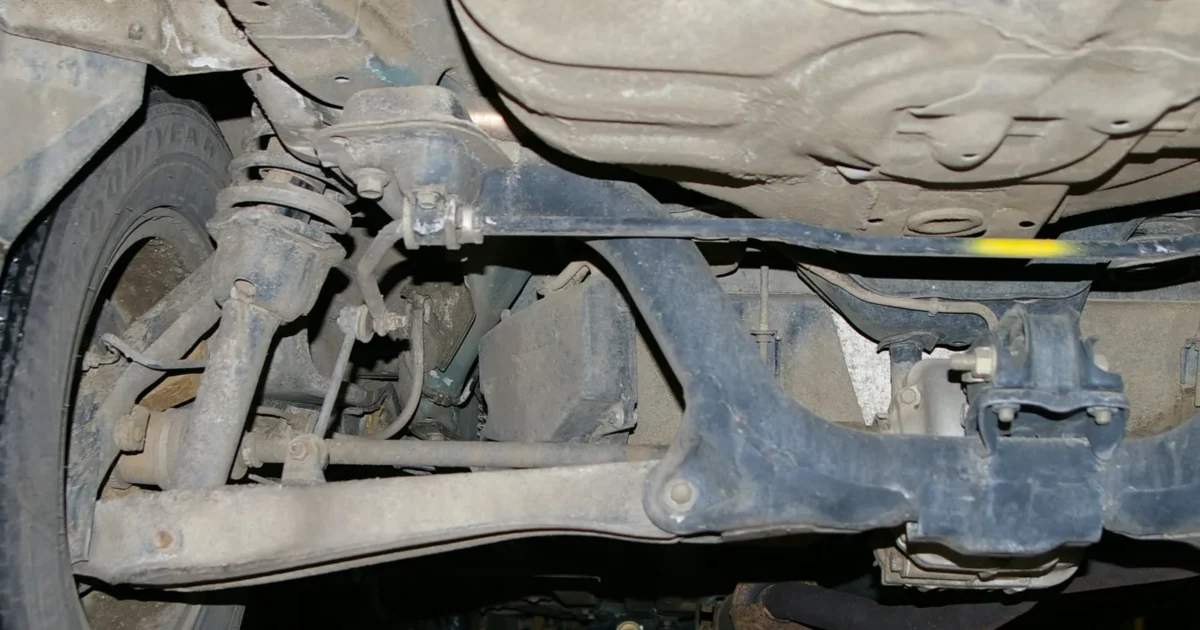
The back of your car keeps bouncing after a speed bump, it clunks over rough roads, or the shop showed you oil running down a rear shock. You want to know what a new pair will cost before you say yes.
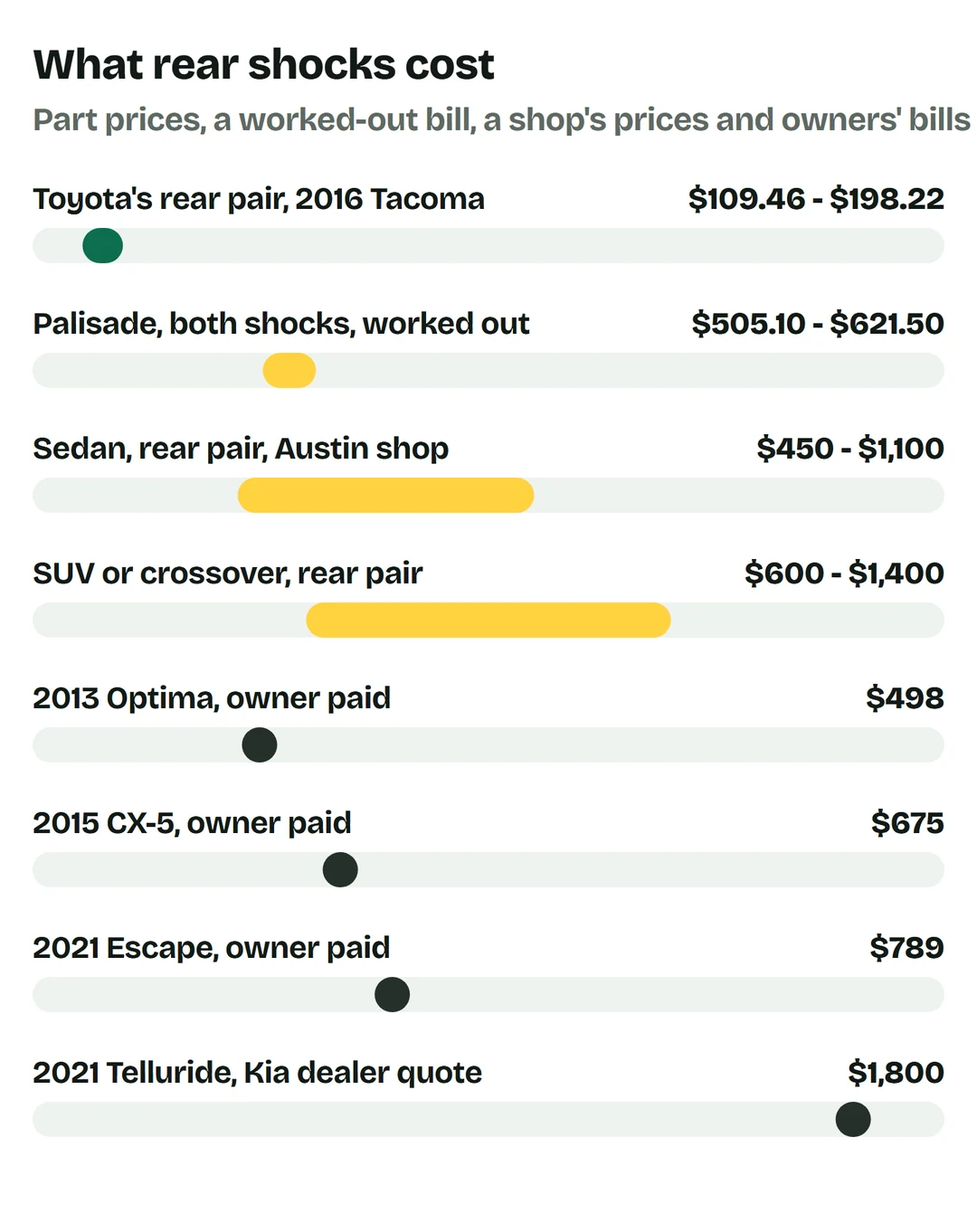
So how much does rear shock replacement cost? About $450 to $1,100 for the pair on a sedan, by the price page of a repair shop in Austin, Texas, and $600 to $1,400 on an SUV or crossover.
Owners who told NHTSA, the US road safety agency, what they paid were charged or quoted $498 to $1,800 for the rear pair.
And if you drive a Kia Telluride or a Hyundai Palisade, check the warranty first, because both carmakers extended it on the rear shocks.
In this guide I will show you what a shop charges, what the shocks themselves cost, how long the job takes, which cars have a longer warranty, and what owners paid.
What a Shop Charges
Luxury Auto Works, a repair shop in Austin that works on luxury and imported cars, prices shocks per axle, so per pair, on its page updated in August 2026:
The shop prices the range by the shock you choose, the carmaker’s own or an aftermarket one. Adaptive shocks with electronics cost far more, as its third row shows.
What the Shocks Cost
The rear shocks themselves are often cheaper than people expect. Here are the carmakers’ own rear shocks on dealer parts websites, checked October 9, 2026:
So on a Tacoma a pair of Toyota’s rear shocks is $109.46 to $198.22, and the rest of the bill is labor.
How Long the Job Takes
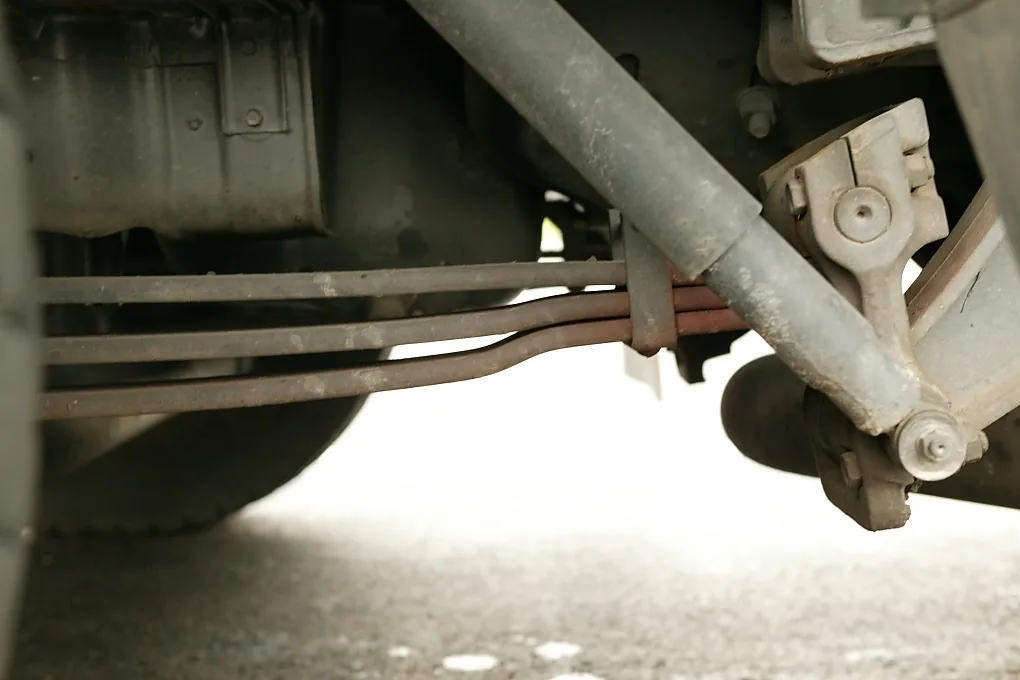
Rear shocks are one of the quicker suspension jobs. A Tacoma World member described the rear shocks on a Tacoma as two fasteners each, with easy access, in November 2025.
Hyundai publishes its own time for the Palisade. It pays its dealers 1.2 hours to check the noise, inspect the rear suspension and replace both rear shocks and their insulators, and 1.0 hour for one shock.
At $132 an hour, the average US shop rate Tekmetric found in June 2026, both shocks on a Palisade come to (2 × $173.35) + $158.40 = $505.10, or (2 × $231.55) + $158.40 = $621.50 with the dearer version.
Check for a Longer Warranty First
Kia extended the warranty on the self-leveling rear shocks of the 2020 to 2024 Telluride to 15 years or 180,000 miles, for noise over bumps or a stiff ride.
It covers cars built through September 14, 2023 with shocks made through May 12, 2023.
Hyundai did the same for certain 2020 to 2024 Palisade models built from April 2019 to August 2023, to 10 years or 120,000 miles. On the first repair both rear shocks are replaced.
Both extensions go to every owner, not only the first one. So before you pay, ask a Kia or Hyundai dealer to check your VIN.
What Owners Paid
Here is what owners told NHTSA they paid, with a link to each complaint, and what owners shared on two truck forums:
- The owner of a 2013 Kia Optima paid $498 for new rear shocks, filed in September 2023.
- Two rear shocks with a broken bracket on a 2015 Mazda CX-5 cost $675 to replace, filed in July 2022.
- The owner of a 2021 Ford Escape with 36,000 miles paid $789 to have the rear shocks replaced, filed in December 2025.
- A Kia dealer charged the owner of a 2020 Telluride almost $1,450 for leaking rear shocks, filed in June 2026.
- A Kia dealer asked $1,800 for the rear shocks of a 2021 Telluride, filed in May 2024, before the extension.
- Ford asked the owner of a 2022 F-150 Limited more than $2,000 for the rear shocks, in September 2026.
So owners paid or were quoted $498 to $1,800 for the rear pair at shops and dealers. If your Telluride or Palisade qualifies for the extensions above, ask the dealer to apply them before you pay.
For all four corners, a dealer estimated $1,781 for a 2016 Tacoma, of which $761 was the four OEM shocks, in November 2025.
How to Tell Your Rear Shocks Are Worn
The Austin shop lists the signs: the car keeps bouncing after a speed bump, dives hard when you brake, leans more in corners, or shows oil on the shock body.

Cupped tire tread and new clunks over rough pavement point the same way, though worn mounts and bushings can sound alike. I advise you to ask the shop to show you the leak or the worn part before it replaces anything.
Rear Shock Questions You Might Have
How much does it cost to replace rear shocks?
About $450 to $1,100 for the pair on a sedan and $600 to $1,400 on an SUV or crossover at a shop in Austin, Texas. Owners told NHTSA they paid or were quoted $498 to $1,800 for the rear pair.
How much are the rear shocks themselves?
Toyota’s rear shocks for a 2016 Tacoma are $54.73 to $99.11 each, and Hyundai’s for a 2021 Palisade $173.35 to $231.55 each, on dealer parts websites.
How long does it take to replace rear shocks?
Hyundai pays its dealers 1.2 hours for both rear shocks on a Palisade, including a noise check and an inspection, and 1.0 hour for one shock.
Are Kia Telluride rear shocks covered by a warranty extension?
Yes, for 2020 to 2024 models built through September 14, 2023 with shocks made through May 12, 2023, to 15 years or 180,000 miles, for noise or a stiff ride.
Should I replace rear shocks in pairs?
Usually, yes. Shops price them per axle, so per pair, and Hyundai replaces both rear shocks on the first repair under its extension.
Where These Prices Come From
- Luxury Auto Works, Shock Replacement, Austin, Texas, updated August 28, 2026.
- ToyotaPartsDeal, 2016 Toyota Tacoma shock absorbers, and HyundaiPartsDeal, 2021 Hyundai Palisade shock absorbers, checked October 9, 2026.
- Hyundai, Self-Leveling Rear Shock Absorber, Warranty Extension Z12 (May 21, 2026), and Kia, Telluride Self-Leveling Rear Shock Absorber Warranty Extension WTY040 (August 15, 2024), both on NHTSA’s website.
- Tekmetric, Average Auto Repair Labor Rates by State, June 30, 2026, the owner complaints to NHTSA and the Tacoma World and F150gen14 posts linked above, read October 9, 2026.
I hope this helps you get the ride back without paying for more than you need. If you have any questions, you can email me at costcheckr@gmail.com.